
 EN
EN  RU
RU  AR
AR  HE
HE The Baku Ship Graveyard: Bibi-Heybat's Rusting Fleet
The Baku ship graveyard at Bibi-Heybat: decommissioned Azerbaijani vessels left rusting at the site of the world's first mechanically drilled oil well.
 By Kai Wild
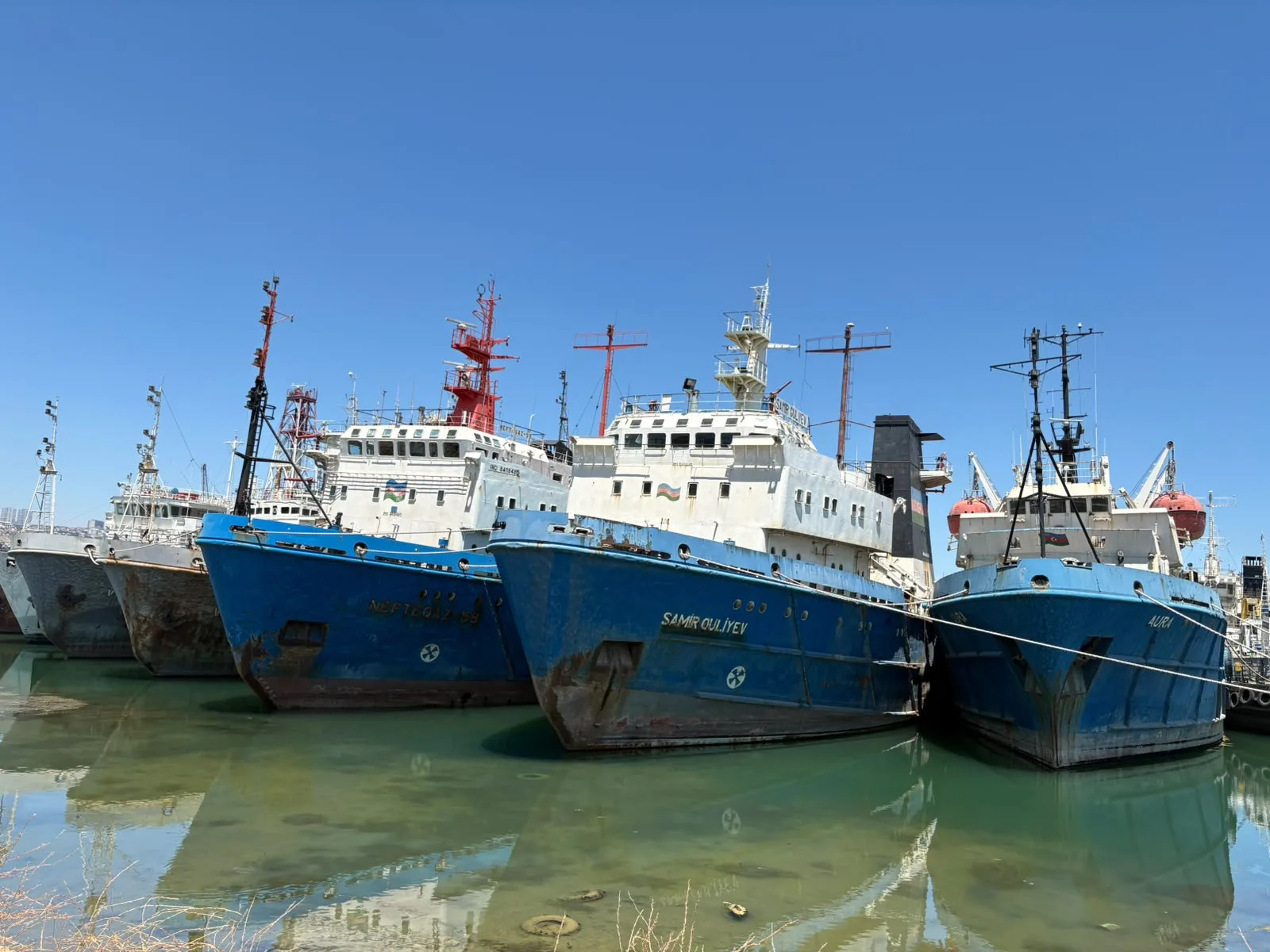
Just south of central Baku, the Baku ship graveyard at Bibi-Heybat is one of the city's strangest sights: a cluster of retired Azerbaijani vessels left to rust at the same stretch of Caspian shoreline that produced the world's first mechanically drilled oil well. It isn't an official attraction with a ticket booth, and that's part of what makes it worth understanding before you go looking for it.
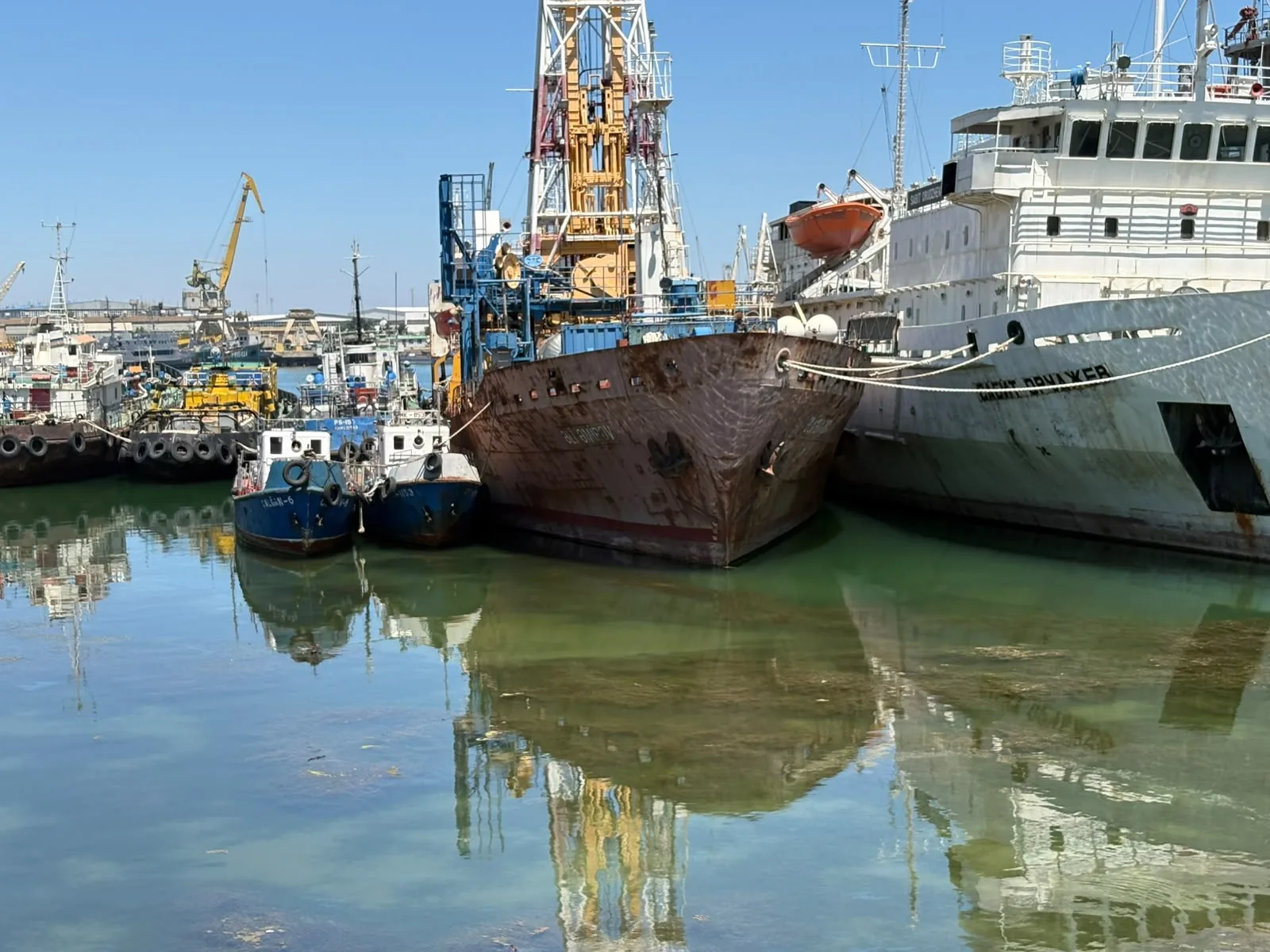
What Is the Baku Ship Graveyard?
The site is a working stretch of port and shipyard at Bibi-Heybat where Azerbaijani vessels that have reached the end of their operational life are left moored rather than broken up. Photo-documentation of the site going back several years shows a rotating cast of hulls slowly rusting at their berths, giving it the "ship cemetery" nickname locals and photographers use for it.
Why Are the Ships Left There?
Decommissioning a merchant or naval vessel is expensive, and scrapping capacity and paperwork haven't always kept pace with the number of Caspian-fleet ships reaching retirement age. The practical result, common across parts of the former Soviet Union, is that retired hulls sit at their last working port for years — sometimes indefinitely — rather than being cut up promptly.
The Ships
Vessels photographed at the site have included ones named General Salimov, Nizami, Ashug Aleskar, General Mehmandarov and Gahraman Hasanov — several of them named after Azerbaijani military figures and cultural icons, including the 12th-century poet Nizami Ganjavi and the 19th-century poet-musician Ashug Aleskar. The exact roster changes over time as ships arrive and, occasionally, are finally scrapped.
Bibi-Heybat's Bigger Claim to Fame
The ship graveyard sits in genuinely historic ground. In 1846, a well drilled at Bibi-Heybat became the world's first oil well produced by mechanical drilling rather than hand-dug excavation — more than a decade before Pennsylvania's Drake Well, which is often credited internationally as the first. By the 1890s Bibi-Heybat was a major offshore oil field, and land reclamation in 1924 extended production further into the bay. The rusting ships are a recent chapter in a shoreline that's been central to the oil industry for close to 180 years.
How (and Where) to See It
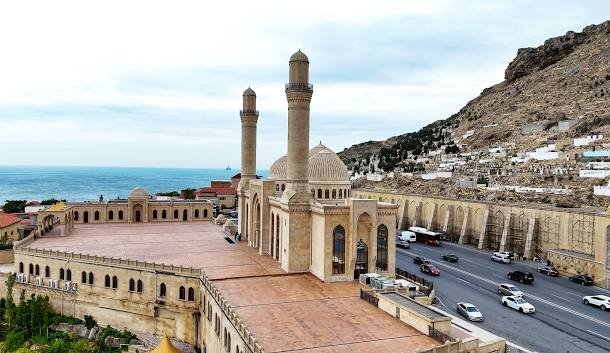
This isn't a walk-up tourist site — Bibi-Heybat is a working port and oil-industry area, not a promenade. The most reliable legitimate vantage point is Bibi-Heybat Mosque, rebuilt in the 1990s after the original 13th-century mosque was demolished by Soviet authorities in 1936 to expand oil operations. The mosque overlooks the surrounding shipyard and oil field, and it's the first stop on our Baku Religious Tour. Travelers drawn to this kind of overlooked industrial corner of Baku may also enjoy our Heydar Aliyev Center, Ramana & Balakhani tour, which covers a similar mix of modern landmarks and offbeat heritage sites.
That is the view from outside. Getting to the moorings themselves needs access arranged in advance, which is what our Caspian heritage excursion does — an hour on the quayside, timed for the late light that turns the rust copper — while the four-point coastline tour takes it in alongside the mosque, the first mechanical oil well and the James Bond oil field.
A Wider Pattern in the Caspian
Bibi-Heybat isn't the only such site in Baku Bay — a separate, larger cluster of rusting hulls has long been documented on the shore of Nargin (Boyuk Zira) island further out in the bay. Together they reflect a broader pattern across the former Soviet Caspian fleet of retiring ships in place rather than scrapping them promptly. Our sister publication, Explorer Bulletin, has put together a wider look at how Bibi-Heybat compares to other famous ship graveyards around the world, from the Caspian to the Aral Sea.
Frequently Asked Questions
Can you visit the Baku ship graveyard up close?
On your own, no — it sits within a working port and oil-industry area, not a public promenade, and the practical vantage point is the overlook from Bibi-Heybat Mosque. On a guided visit, yes: quayside access is arranged in advance on our Caspian heritage excursion, which spends about an hour at the moorings, and the four-point coastline tour makes a shorter guided stop there. That difference is the whole reason to go with someone.
Why are decommissioned ships left at Bibi-Heybat instead of being scrapped?
Scrapping costs and capacity haven't kept pace with the number of Caspian-fleet vessels reaching the end of their service life, so retired hulls are commonly left moored at their last working port, sometimes for years.
Is Bibi-Heybat connected to Baku's oil history?
Yes — a well drilled at Bibi-Heybat in 1846 is considered the world's first oil well produced by mechanical drilling, predating Pennsylvania's Drake Well by over a decade.
Is there another ship graveyard near Baku?
Yes. A separate and larger cluster of rusting vessels has been documented on the shore of Nargin (Boyuk Zira) island in Baku Bay.
Recommended tours
Curious about more of Baku's offbeat corners? Browse our full collection of Baku tours — city walks, day trips and multi-day adventures with local guides, bookable online.
Want to see it for yourself?
The trips mentioned above are run by our own team in Baku — licensed English-speaking guides, group or private departures and free cancellation on most tours.

Comments
No comments yet.
Be the first to share your thoughts!
Leave a Comment