
 EN
EN  RU
RU  AR
AR  HE
HE A Complete Guide to Balakhani: Baku’s Most Colorful Hidden Gem
Balakhani is the colourful Absheron village where Baku's oil heritage meets a modern open-air art revival. A complete guide to getting there, what to see, the best time to visit, and how to combine it with Yanardag and Ateshgah.
 By Kai Wild
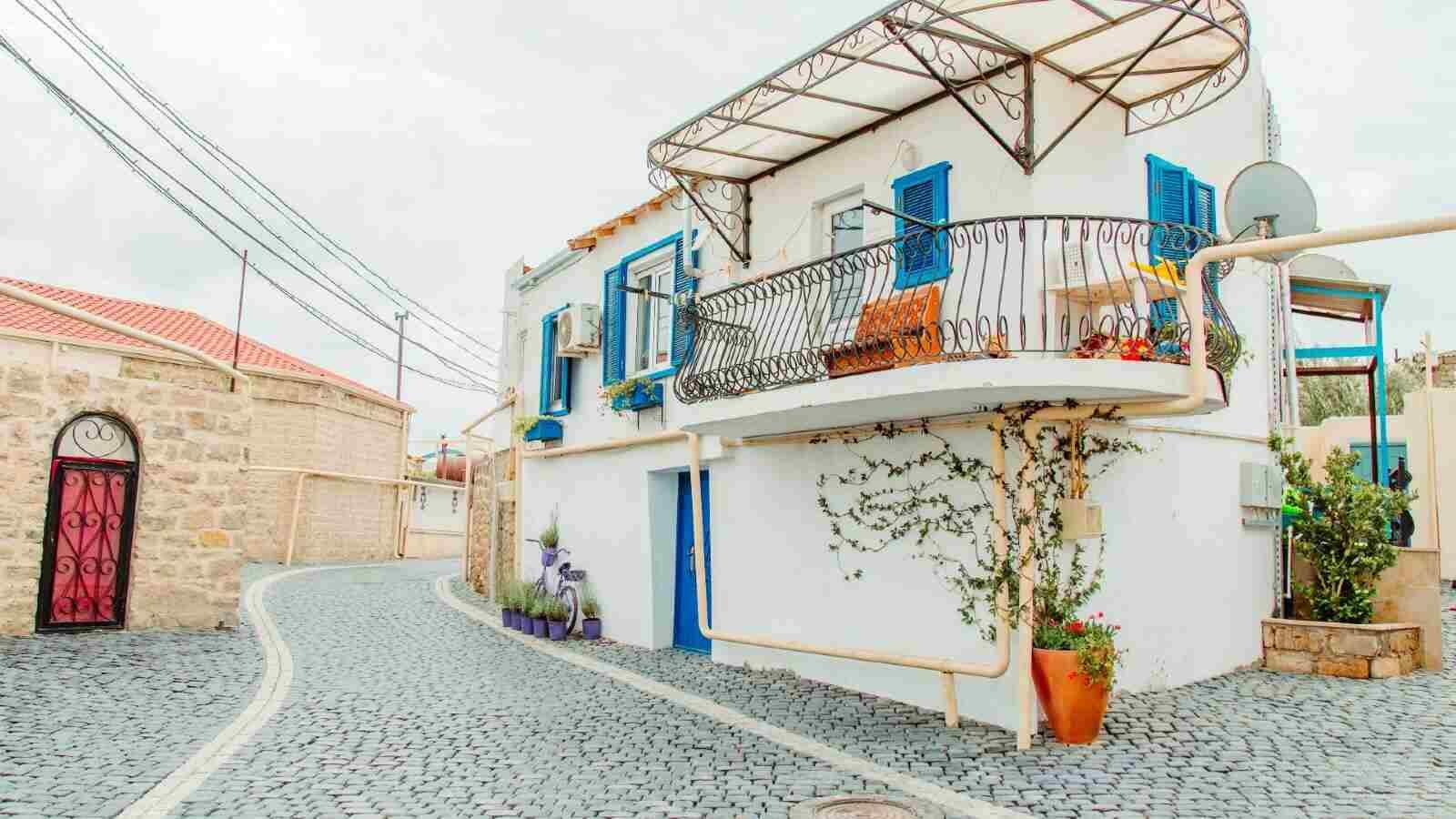
Balakhani is Baku’s painted village — a centuries-old oil settlement reborn as the city’s most colourful suburb, full of murals, pastel facades and quirky street art. This guide covers everything you need to know before your visit: how to get there, what to see and the best time to come.
If you think a trip to Baku is only about ultra-modern skyscrapers and the ancient stone alleys of Icherisheher, think again. Just a short drive from the city center lies Balakhani, an old suburban settlement that has quietly transformed from an industrial oil hub into Azerbaijan’s most vibrant, Instagram-worthy open-air art gallery.
Whether you are a history buff, a photography enthusiast, or a traveler looking to escape the classic tourist paths, this charming village deserves a spot on your Azerbaijan travel itinerary. Here is everything you need to know about visiting Balakhani.
From "Black Gold" to Vibrant Art: The Story of Balakhani
For over a century, Balakhani was known strictly for its pioneering role in the global petroleum industry. It was here that Baku’s first manual oil well was dug back in 1593, and where the famous Nobel brothers laid the country's first oil pipeline in 1878.
However, a massive state-led rejuvenation project completely rewritten the village's identity.
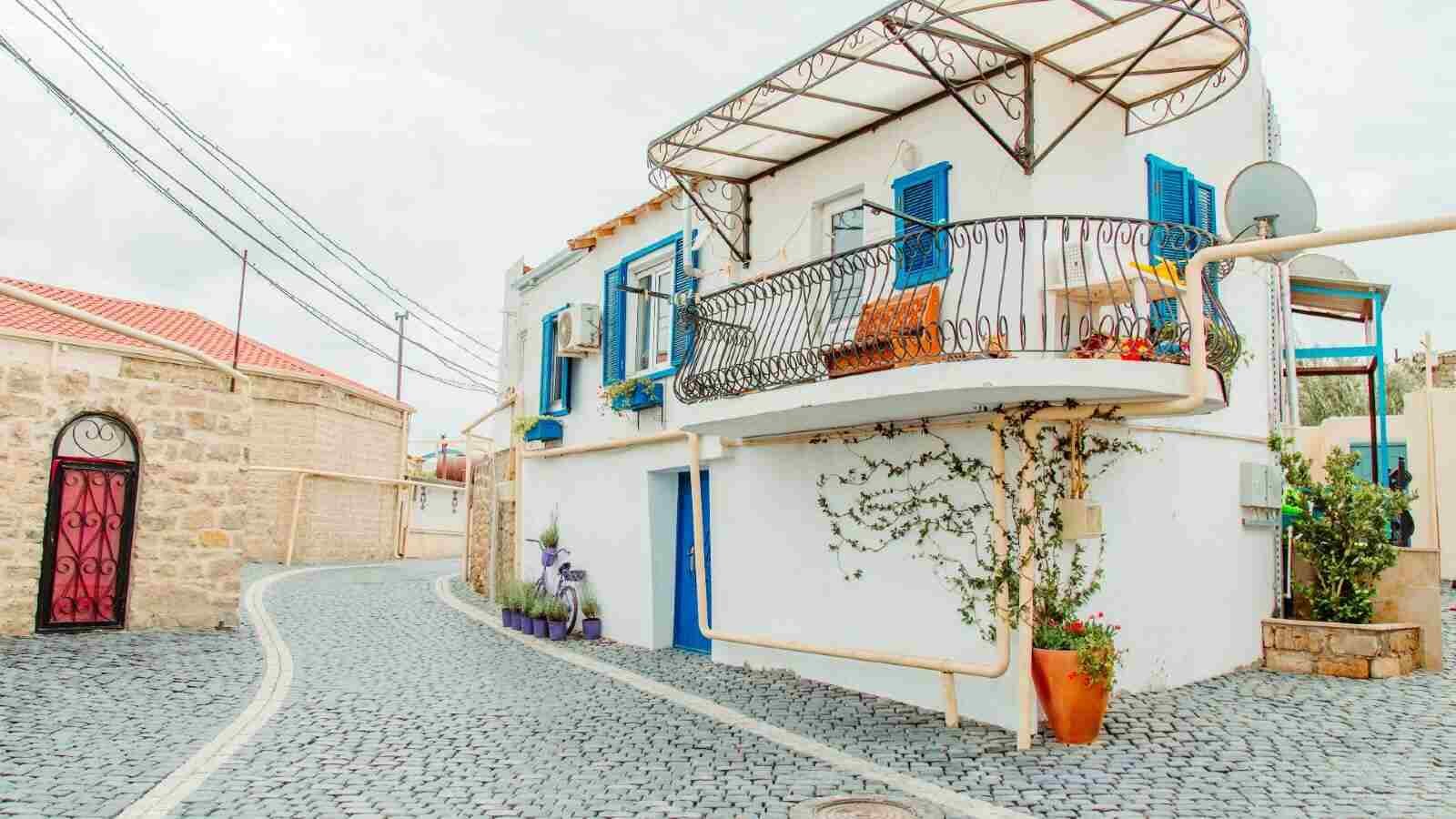
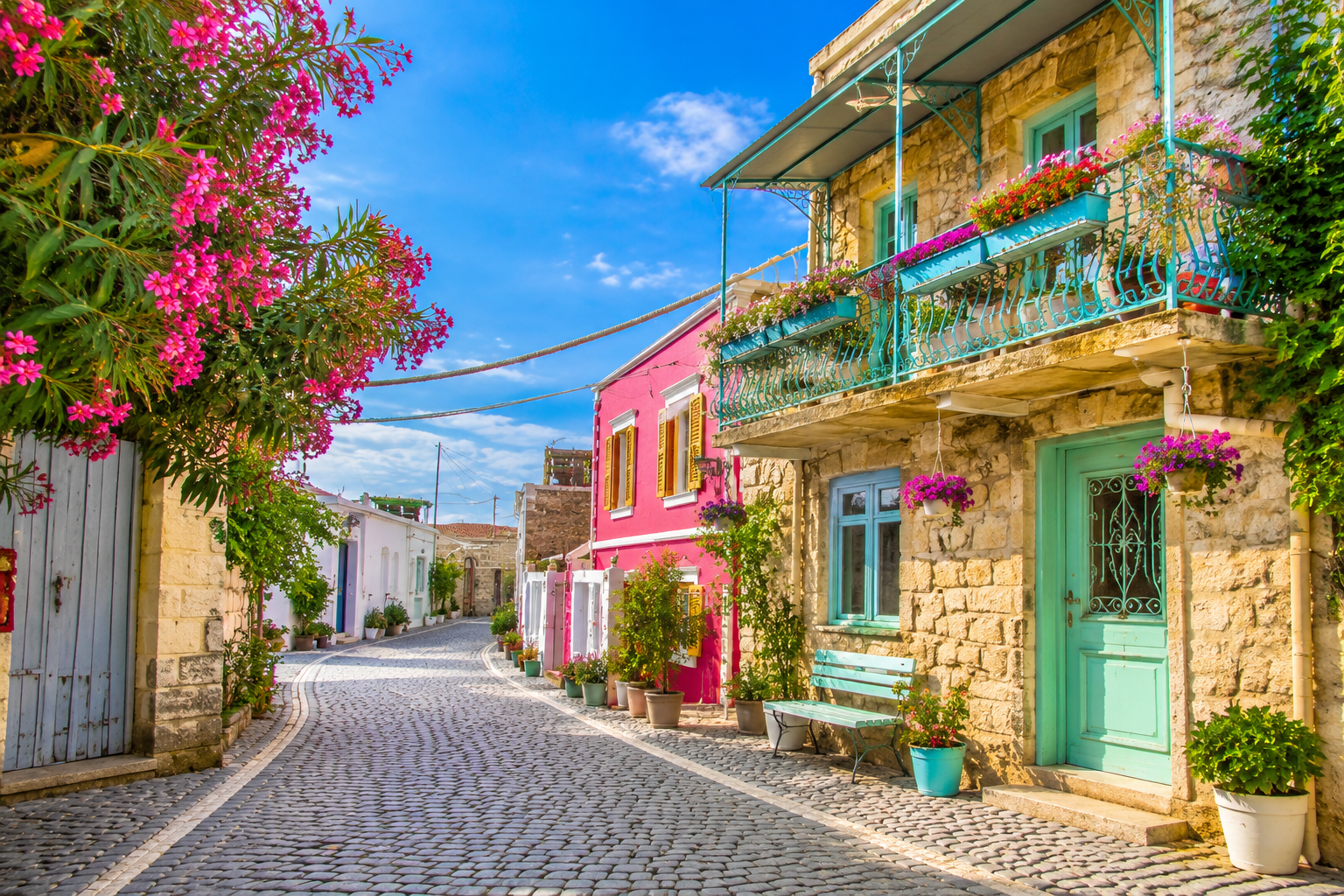
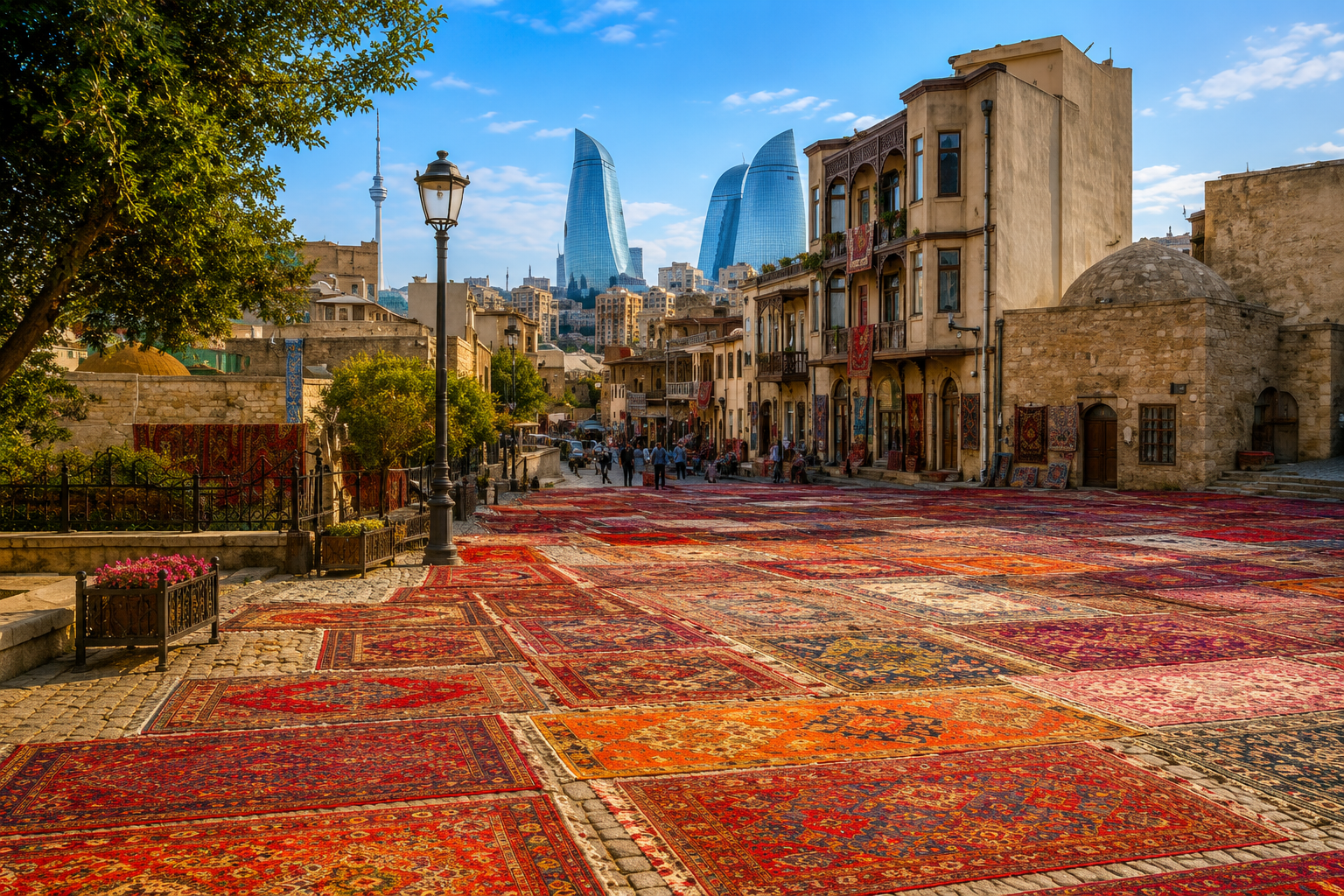
Today, the industrial grime is gone. In its place, local artists and architects have turned Balakhani into a living tapestry. As you stroll through the village, you will find cobblestone streets lined with pastel-colored houses, bright blue window shutters, hanging flower pots, and playful murals that give the entire neighborhood a distinct Mediterranean-meets-Absheron vibe.
How to get to Balakhani from Baku
Balakhani sits on the Absheron Peninsula, roughly 15 kilometers north-east of central Baku. From Fountain Square the drive takes 25–35 minutes, depending on traffic.
- By car or taxi: the easiest option — taxis from the city center cost a few manat. Bolt and similar apps work in Baku.
- By metro + bus: take the Baku Metro to Koroglu station, then catch a bus or shared taxi headed towards Balakhani / Sabunchu.
- By organised tour: the easiest way to combine Balakhani with the rest of the Absheron Peninsula in a single day. Our Heydar Aliyev Center, Ramana, Balakhani & Yanardag Tour includes professional transport and a dedicated guide.
Things to do in Balakhani
Allow at least 2–3 hours to wander the village at a relaxed pace. The main attractions are concentrated within a compact, walkable area:
- Walk the painted streets: pastel-blue shutters, hanging flower pots, and large-scale murals make every alley a photo opportunity.
- Visit the Carpet Workshop: a working studio where artisans hand-knot traditional Azerbaijani carpets — visitors are welcome to watch the looms in action.
- Stop at the historic mosque and minaret: a quiet reminder of the village's pre-oil past, surrounded by restored Absheron-style stone houses.
- Try a traditional tea house: small cafes around the central square serve Azerbaijani tea with jam, fruit, and pakhlava.
- Photograph the contrast: historic oil pumpjacks still stand on the outskirts — the juxtaposition of "old Baku" industry and "new Baku" street art is uniquely Balakhani.
Best time to visit Balakhani
Balakhani is a year-round destination, but the experience changes with the season:
- Spring (April–May): mild temperatures and flowering courtyards — the best season for photography.
- Summer (June–August): very warm, especially in the afternoon. Go early in the morning or near sunset for soft light.
- Autumn (September–October): dry, comfortable, and quieter — arguably the most pleasant time to walk the village.
- Winter (December–February): cool and uncrowded; pair the visit with a warm tea house stop.
Nearby attractions on the Absheron Peninsula
Balakhani is most rewarding when combined with other Absheron highlights — most of them are within a 20-minute drive:
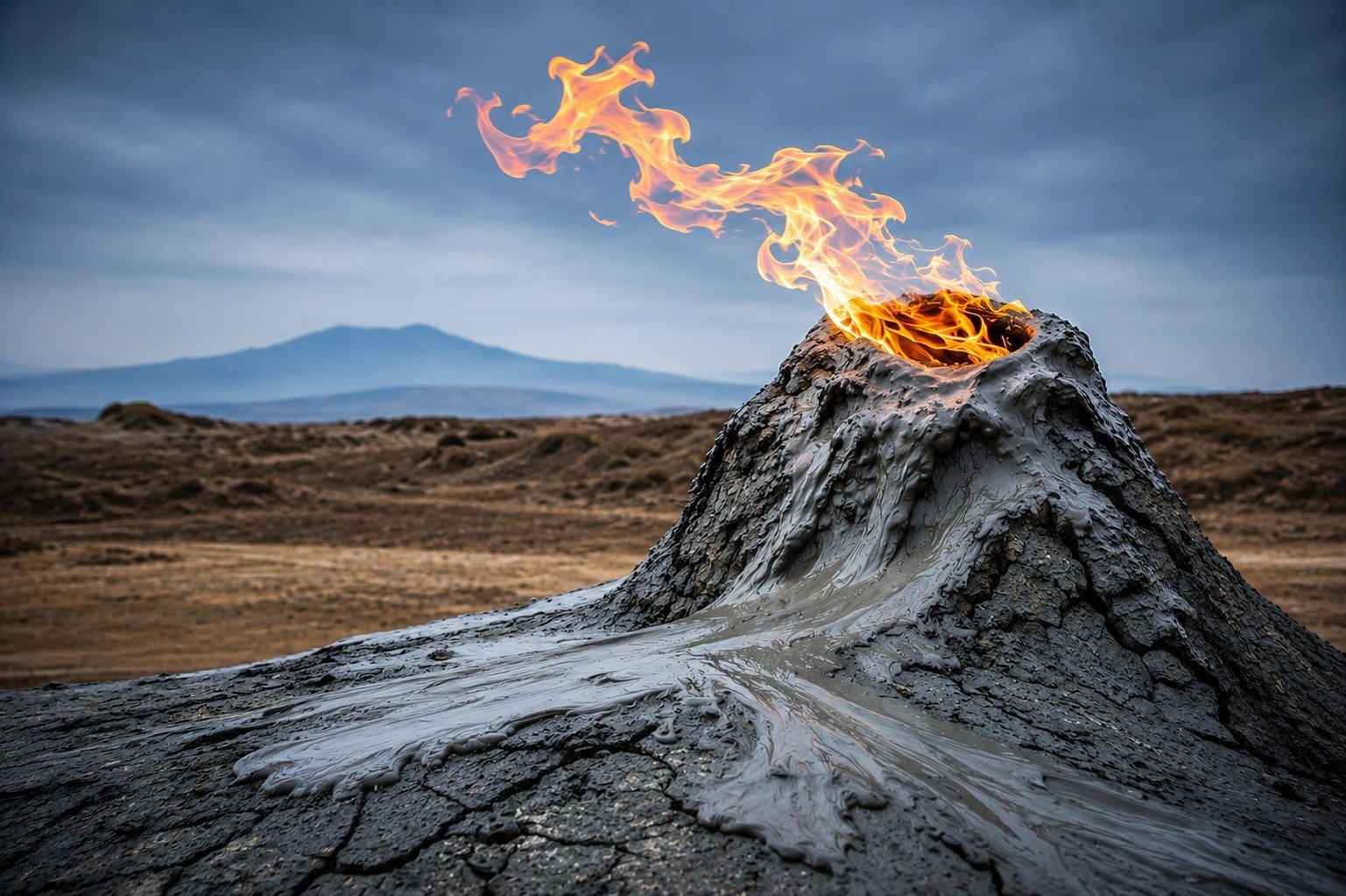
- Yanardag (Burning Mountain): a natural gas-fueled flame that has been burning for centuries.
- Ateshgah Fire Temple: a Zoroastrian temple in Surakhani, one of Azerbaijan's most iconic monuments.
- Ramana Castle: a 14th-century stone fortress in the neighbouring village.
- Mardakan towers and arboretum: further along the peninsula for travellers staying a full day.
Practical tips for visitors
- Entry is free: Balakhani is an open village — you only pay for tea, souvenirs, or carpet purchases.
- Cash: bring small manat notes; many tea houses and craft shops do not accept cards.
- Respect residents: Balakhani is still a living village. Ask before photographing people, especially elders.
- Combine with a guide: a local guide brings the oil-history layer alive and points out murals that are easy to miss.
Frequently Asked Questions
Is Balakhani worth visiting on a short Baku trip?
Yes — Balakhani is one of the easiest day-trip add-ons from central Baku. Three hours is enough for a meaningful visit, which makes it a perfect afternoon contrast to a morning in the Old City.
Is Balakhani safe for tourists?
Balakhani is a calm residential village and is considered very safe for visitors. Standard travel common sense applies — keep valuables out of sight and respect private property.
Can I visit Balakhani independently or do I need a tour?
You can absolutely visit independently by taxi or metro + bus. A guided tour, however, adds historical context about the oil-boom era and is the most efficient way to combine Balakhani with Yanardag and Ateshgah in one day.
Are there restaurants in Balakhani?
The village has small tea houses and a few simple eateries; for a full restaurant experience, plan lunch in central Baku or at one of the Absheron tour stops.
Want to combine Balakhani with the rest of the Absheron Peninsula? Explore our Gobustan & Absheron Tour, or pair it with a classic Baku Old City Tour for a complete picture of Azerbaijan's capital — past and present.
Capturing the Moment
Because Balakhani is such a visual feast, many travelers struggle to put down their phones. If you want to stay in the moment rather than behind the lens, consider booking a tour that includes a professional photo session. Our signature Absheron tour provides this service, delivering high-quality edited photos directly to you so you can focus on the atmosphere.
Final Thoughts
Balakhani is a testament to how art and heritage can breathe new life into an industrial past. It’s not just about the "Instagrammable" walls; it’s about the narrow streets, the smell of fresh tea, and the quiet pride of a community that has turned its home into a masterpiece. Whether you spend an hour or an afternoon, you’ll leave with a different perspective on what makes Baku special.
Ready to see it in person? Browse our Baku tours — local guides and instant booking.
Want to see it for yourself?
The trips mentioned above are run by our own team in Baku — licensed English-speaking guides, group or private departures and free cancellation on most tours.
Comments
Leave a Comment